From play therapy for younger children to CBT and EMDR for teens, our therapists tailor care to how kids actually process emotions — with same-week appointments in Ashburn or via telehealth across Virginia.
Kids and teens don’t always have the words for what they’re feeling. Anxiety can look like stomachaches, depression can look like irritability, and stress at school can show up as trouble sleeping or shutting down at home. We start by figuring out what’s actually going on before building a plan around it. Our post on teen mental health covers what parents typically notice first and what tends to help.
Younger children often respond best to play therapy and expressive arts, where feelings come out through activities instead of direct conversation. Teens are more likely to engage in structured talk therapy — closer to individual counseling for adults, but adapted for identity, peer pressure, academic stress, and family conflict.
We treat anxiety, depression, ADHD, and trauma in children and adolescents, along with school avoidance, social difficulties, and behavioral challenges. For some clients, EMDR or wilderness-based approaches become part of the plan.
Parents are part of the process, too — we coordinate with families through family therapy sessions when it helps. Ready to get started? Match with a provider or schedule a consultation today.
See the full list of conditions we treat across all ages.
Riverside provides therapy for children as young as school age and through adolescence. The approach is tailored to the child's developmental stage, younger children may use play-based or expressive arts methods, while teens engage in more traditional talk therapy.
Parent involvement is an important part of child and teen therapy. We provide regular check-ins with parents, offer family therapy sessions when helpful, and work collaboratively so that therapeutic gains extend into the home environment.
Many teens are hesitant at first, but our therapists are experienced at building rapport with young people in a non-judgmental way. Teens typically begin to engage meaningfully within the first few sessions as trust develops.
Changes in mood, declining grades, withdrawal from friends, sleep disruptions, unexplained physical complaints, or behavioral outbursts can all be signs a child is struggling with anxiety, depression, or another underlying concern. When in doubt, a consultation with a therapist can clarify whether support would be helpful.
Therapists maintain confidentiality with teens except in situations involving safety concerns (such as self-harm or harm to others). We'll discuss the limits of confidentiality clearly with both the teen and parents at the start of treatment.
Our compassionate team in Ashburn & Leesburg is ready to help. New patients welcome.
Leave us a note and we’ll reply within 1 business day.
Prefer to call? (703) 724-0200
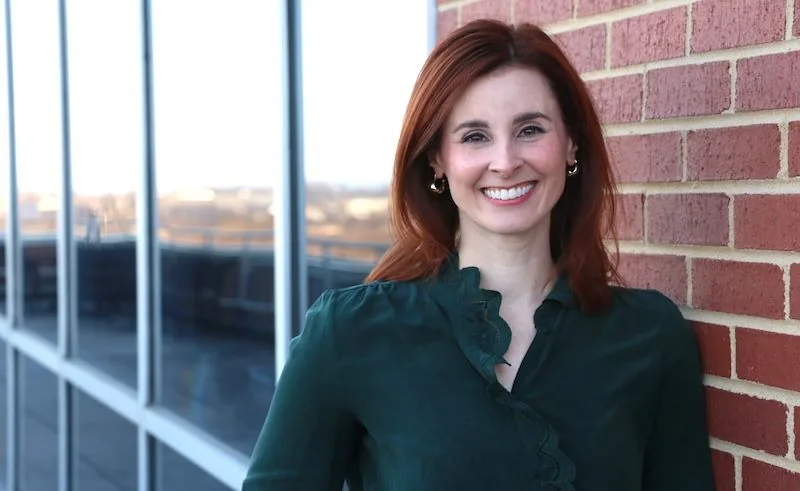
Amanda draws on years as a school counselor in Loudoun County to support children, teens, and families. She helps younger clients build real skills for managing emotions, friendships, and school stress.
View Profile →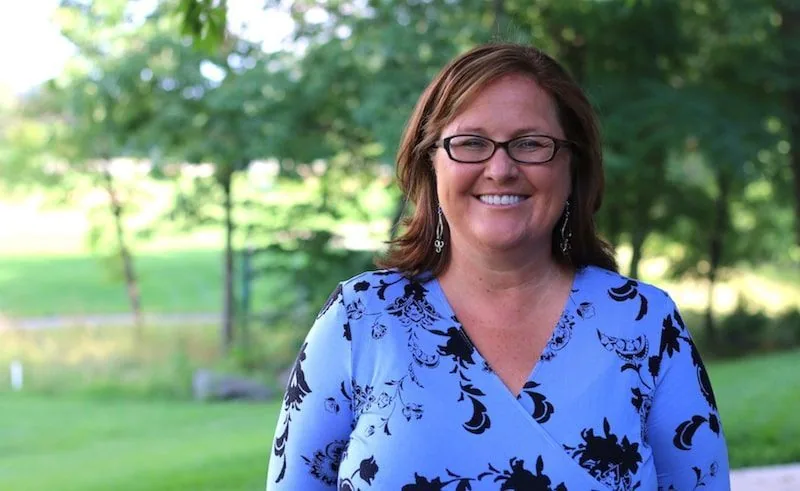
Dr. Hollman specializes in children, families, and teens. Her calm, patient approach helps young clients navigate trauma, ADHD, anxiety, and emotional regulation challenges in a space where they feel genuinely safe.
View Profile →
Kim helps children build emotional regulation skills and supports families in strengthening communication and connection. Her warm, relational style makes kids feel comfortable opening up.
View Profile →
Scott works with adolescents, adults, couples, and families. He also conducts psychoeducational evaluations for children and teens facing learning challenges or school-related concerns.
View Profile →
Dan works with adolescents age 9 and up, using a structured, clear teaching style that helps teens understand their anxiety and thought patterns and build skills to actually change them.
View Profile →
Faith works with teens navigating anxiety, depression, and life changes with an affirming, strength-based approach. She creates a space where young people feel genuinely heard without judgment.
View Profile →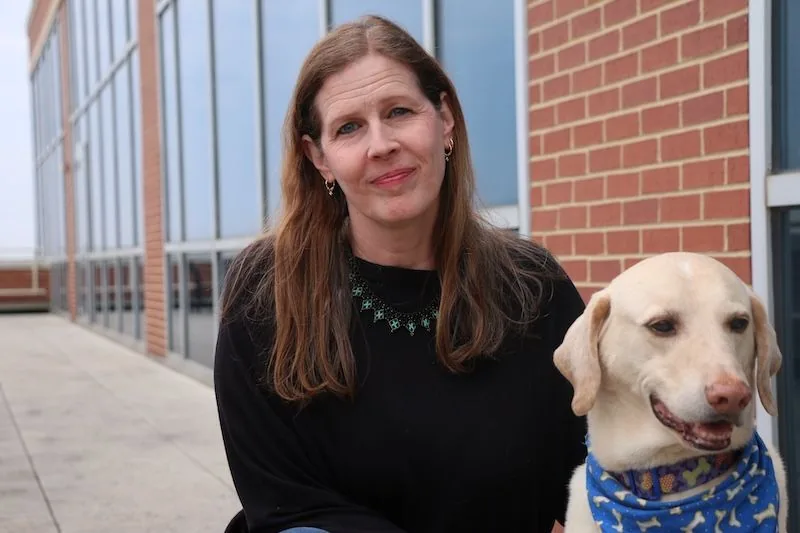
Margaret has over 15 years of experience with children, teens, and families. She uses play therapy and developmentally appropriate strategies to help kids express themselves and grow. Shiloh, her therapy dog, often joins sessions.
View Profile →Same-week appointments available in Ashburn, VA, in person or via telehealth.