Eating disorders are serious mental health conditions, not lifestyle choices, and they respond to the right treatment. Our compassionate team helps individuals and families navigate recovery from anorexia, bulimia, binge eating disorder, and disordered eating patterns.
Eating disorders are serious mental health conditions with real physical consequences. They are not choices, phases, or vanity, and they affect people of all genders, ages, body sizes, and backgrounds. Early treatment significantly improves outcomes.
According to the National Eating Disorders Association (NEDA), eating disorders have among the highest mortality rates of any psychiatric illness. The National Institute of Mental Health notes that effective, evidence-based treatments exist for all major eating disorder types. With appropriate care, full recovery is achievable.
We treat anorexia nervosa, bulimia nervosa, binge eating disorder (BED), avoidant/restrictive food intake disorder (ARFID), orthorexia, and other specified feeding or eating disorders (OSFED).
Recovery requires more than addressing food behaviors. Our therapists work to understand the psychological drivers behind the eating disorder, whether that is perfectionism, control, trauma, shame, anxiety, or distorted body image, and address those roots directly.
We use evidence-based approaches including Cognitive Behavioral Therapy for Eating Disorders (CBT-E), Dialectical Behavior Therapy (DBT), and Acceptance and Commitment Therapy (ACT). Treatment is individualized, compassionate, and free from diet culture.
Our therapists work collaboratively with your primary care physician or a registered dietitian when medical monitoring or nutritional support is needed. The Mayo Clinic recommends a team approach: combining therapy, medical oversight, and nutritional guidance for eating disorder recovery. Our psychiatrists can also address co-occurring depression, anxiety, or OCD that frequently accompany eating disorders.
We work with adults and adolescents. Eating disorders often emerge during the teen years, and early intervention makes a meaningful difference. We involve families in treatment when clinically appropriate, particularly for younger clients.
For teens, our care connects naturally with our broader teen counseling services. We also offer individual counseling and depression therapy for co-occurring conditions that often run alongside eating disorders.
If you find yourself preoccupied with food, your body, or exercise in ways that feel out of control or distressing, that is a signal worth paying attention to. You do not need to be at a crisis point to seek help. Earlier is always better.
If you are worried about someone you love, call us at (703) 724-0200. We can help you figure out the right next step without pressure or judgment.
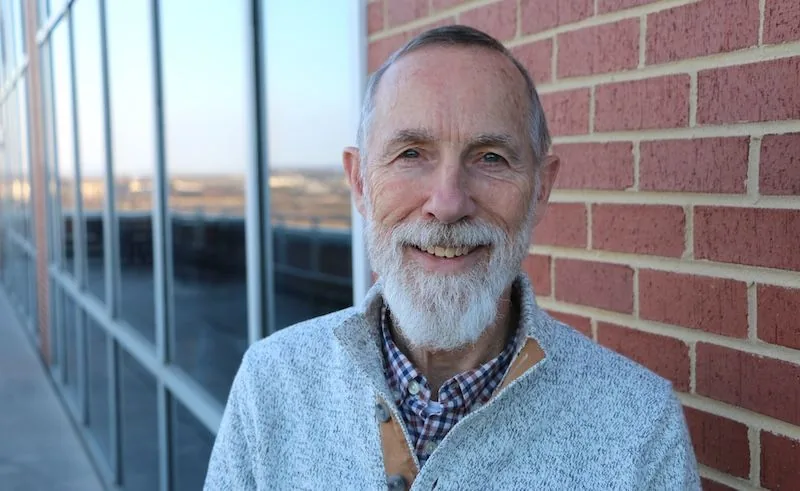
Dan works with adults experiencing disordered eating patterns and body image concerns, using evidence-based approaches that address both behaviors and the emotional roots beneath them.
View Profile →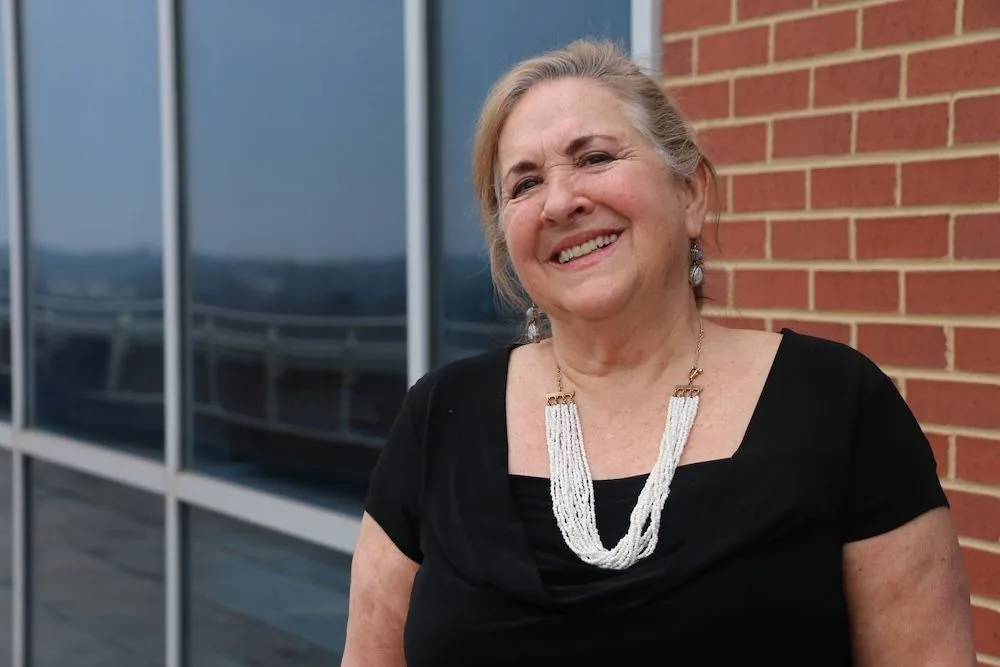
Cara specializes in helping clients build a healthier relationship with food, their body, and themselves. She brings warmth and clinical expertise to every aspect of recovery.
View Profile →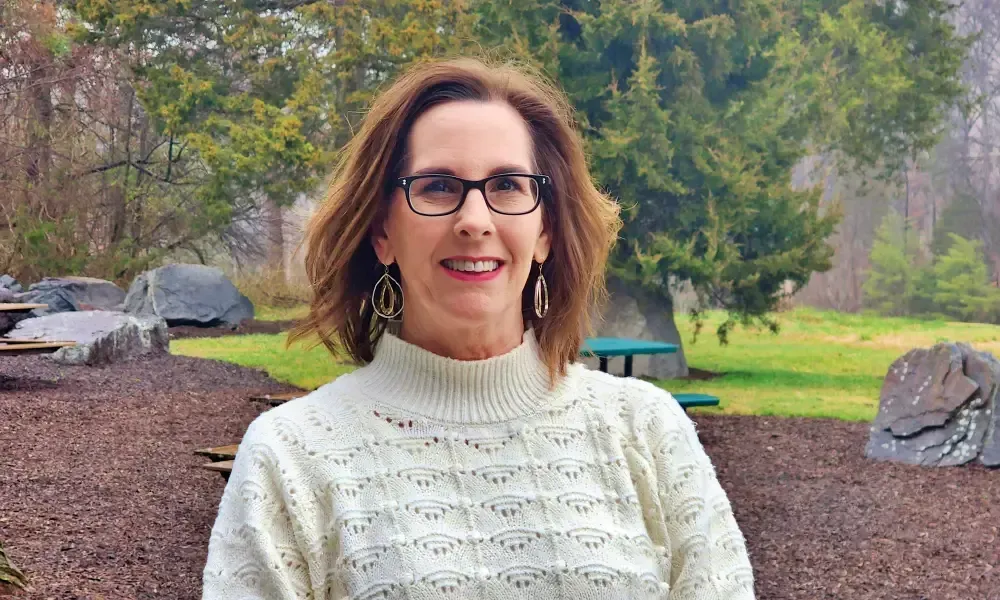
Tammy helps clients address the shame, perfectionism, and emotional pain that often underlie disordered eating, using compassionate, individualized therapy for lasting recovery.
View Profile →We treat anorexia nervosa, bulimia nervosa, binge eating disorder (BED), avoidant/restrictive food intake disorder (ARFID), orthorexia, and disordered eating patterns. Our therapists use evidence-based approaches tailored to each condition.
Yes, eating disorders often emerge during adolescence. Our therapists work with teens and young adults, and we involve families in treatment when clinically appropriate, as family support is a crucial element of recovery for younger clients.
Depending on your situation, we may coordinate with your primary care physician or a registered dietitian to ensure your recovery is medically safe and nutritionally supported. Our focus is on comprehensive, coordinated care.
Yes, with the right treatment, full recovery from an eating disorder is achievable. Our approach addresses the psychological roots of disordered eating, not just behaviors, which leads to deeper and more lasting recovery.
If you're concerned about a loved one, the best first step is to express your concern without judgment and encourage them to seek professional support. Riverside can also provide guidance on how to approach the conversation. You can call us at (703) 724-0200 for a consultation.
Our compassionate team in Ashburn & Leesburg is ready to help. New patients welcome.
Leave us a note and we’ll reply within 1 business day.
Prefer to call? (703) 724-0200
Same-week appointments available in Ashburn, VA, in person or via telehealth.