Social anxiety is more than shyness, it's a persistent, intense fear of being judged, embarrassed, or rejected that can prevent you from pursuing jobs, friendships, and experiences. Our therapists provide effective, evidence-based treatment to help you engage in life with genuine confidence.
Social anxiety disorder (also called social phobia) is the second most common anxiety disorder, affecting roughly 7% of adults. It goes well beyond shyness. People with social anxiety experience intense, persistent fear of being judged, embarrassed, or humiliated in social or performance situations.
Common triggers include speaking in meetings, making phone calls, eating in public, introducing yourself, or any situation where you feel watched. The fear is often out of proportion, but that knowledge alone does not make it easier to manage.
According to the Anxiety and Depression Association of America, social anxiety disorder typically begins in early adolescence and can persist for decades without treatment. The National Institute of Mental Health reports it affects roughly 12.1% of adults at some point in their lives. The good news: it responds very well to evidence-based care.
Social anxiety creates a reinforcing loop. Anticipatory dread builds before an event. During the event, you monitor yourself hyper-critically. Afterward, you replay what you said or did, amplifying shame. That shame drives more avoidance, which strengthens the fear over time.
This cycle is exhausting and isolating. Many clients describe functioning well on paper while feeling secretly disconnected, held back, or chronically self-conscious in ways others don't see.
Cognitive Behavioral Therapy (CBT) with gradual social exposure is the gold standard for social anxiety. Your therapist helps you identify the core beliefs driving your fear and test them against reality. Thoughts like "They'll think I'm stupid" or "I'll say something embarrassing" are examined and reframed.
Exposure exercises rebuild your confidence in social situations step by step, starting with lower-stakes scenarios and working toward situations you currently avoid. Results are durable, and most clients see meaningful improvement within a few months of consistent work.
We also offer anxiety treatment more broadly, and for some clients EMDR can complement CBT when past experiences feed present social fear. The Mayo Clinic notes that CBT with exposure is the most effective long-term treatment for social anxiety disorder.
Yes. SSRIs (like sertraline and escitalopram) are FDA-approved for social anxiety disorder and can make a meaningful difference, especially for moderate to severe presentations. Medication works best alongside therapy, not as a standalone solution.
Our psychiatrists provide thorough evaluation and careful prescribing when medication is appropriate. If you're already in therapy elsewhere, a psychiatry consultation is also available on its own.
Many of our clients with social anxiety are high-achieving professionals and students who manage by over-preparing, avoiding certain situations, or white-knuckling through events. Others have pulled back from social life significantly. Both presentations are real, and both respond to treatment.
We see adults and adolescents across Ashburn, Leesburg, and Northern Virginia, in-person and via telehealth. Connect with us through provider matching to find the right therapist for your needs.
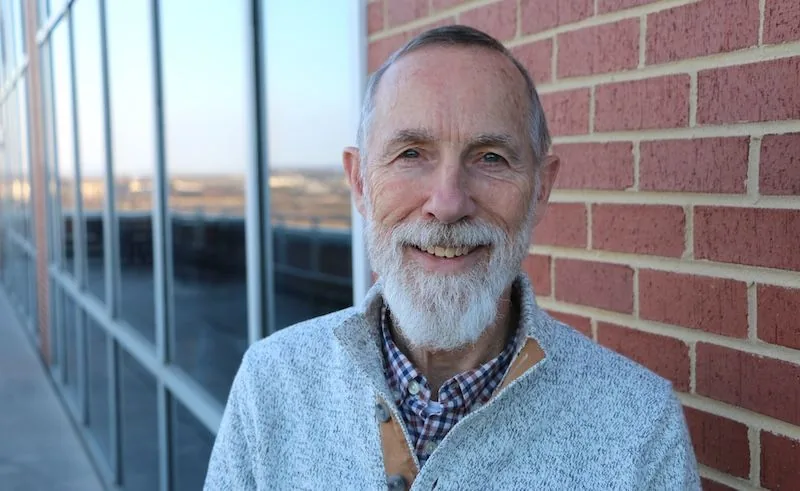
Dan specializes in anxiety and social anxiety, helping clients challenge the beliefs that keep them stuck and build genuine confidence in social situations through CBT and exposure work.
View Profile →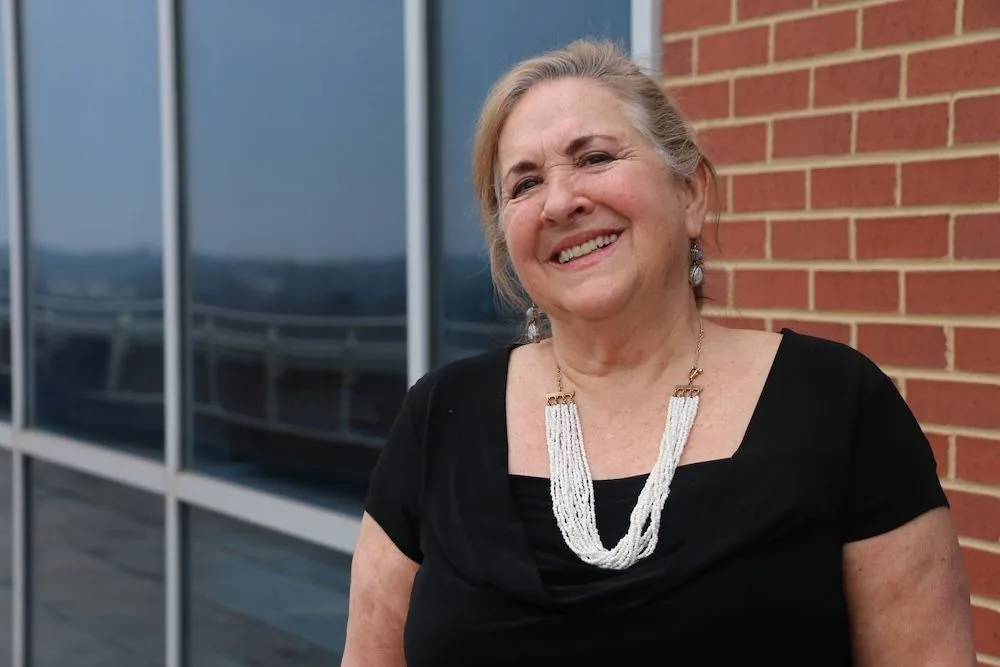
Cara works with adults navigating anxiety, perfectionism, and the relentless self-monitoring that keeps social anxiety entrenched. She creates a warm, non-judgmental space to do this work.
View Profile →
Tammy helps clients identify what is driving their social fear and develop the skills to engage in relationships and opportunities with greater ease and authenticity.
View Profile →No, social anxiety is a clinical condition involving intense, persistent fear of negative evaluation that significantly limits daily functioning. Shyness or introversion is a personality trait that does not typically cause this level of distress or impairment.
CBT for social anxiety helps you identify and challenge the core beliefs driving your fear, such as "I'll embarrass myself" or "They'll think I'm boring." Combined with gradual exposure to feared social situations, CBT rebuilds confidence and reduces avoidance.
Social anxiety disorder affects about 7% of the population, making it the second most common anxiety disorder. It often begins in adolescence and frequently goes undiagnosed for years because people develop avoidance strategies that mask how much it's affecting their lives.
Yes, SSRIs are FDA-approved for social anxiety disorder and can provide meaningful relief, especially when combined with therapy. Our psychiatrists provide thorough evaluation and careful prescribing when medication is appropriate for your situation.
Many people with social anxiety are high-functioning professionals who manage by over-preparing, avoiding certain situations, or white-knuckling through events. If social interactions drain you, trigger significant anxiety, or limit your opportunities, therapy can make a meaningful difference.
Our compassionate team in Ashburn & Leesburg is ready to help. New patients welcome.
Leave us a note and we’ll reply within 1 business day.
Prefer to call? (703) 724-0200
Same-week appointments available in Ashburn, VA, in person or via telehealth.