Families face challenges that no individual can fully resolve alone. Our licensed family therapists help families improve communication, resolve conflict, and heal relationships in a safe, neutral space. We also offer marriage counseling and couples therapy for partners working through relational challenges together.
Family therapy treats the family as a system: a web of relationships, roles, and patterns that affect every member. Rather than focusing on a single "identified patient," a skilled family therapist examines how the family system itself may be contributing to the distress one or more members are experiencing. This perspective often leads to breakthroughs that individual therapy alone cannot achieve, because the problematic patterns become visible when the people involved are in the room together.
The problematic patterns become visible when the people involved are in the room together. That’s where family therapy does its most important work.On the power of systemic treatment
At Riverside, our family therapists are trained in evidence-based models including Structural Family Therapy, Strategic Family Therapy, and Emotionally Focused Family Therapy (EFFT). Sessions typically begin with the whole family present. Over time, your therapist may schedule sessions with different subsets of family members, such as individual sessions with a struggling teen or a session with parents only, depending on what the work requires.
When one family member is navigating a mental health condition such as depression, anxiety, PTSD, bipolar disorder, or addiction, the ripple effects touch every person in the household. Family therapy helps the family understand what their loved one is experiencing, change the patterns of interaction that may inadvertently make things worse, and develop sustainable strategies for providing support without sacrificing their own wellbeing. Our integrated team can combine individual therapy for the person with the diagnosis, family therapy for the household as a whole, and psychiatric care when medication is appropriate, all under one roof.
We work with families of all structures and backgrounds: nuclear families, single-parent households, blended families, same-sex parent families, multigenerational households, and extended family systems. What matters is not the structure of your family but the quality of the relationships within it, and our therapists bring an affirming, nonjudgmental approach to all the families they serve.
Many families first seek therapy because a child or adolescent has become withdrawn, aggressive, anxious, or simply impossible to reach. These presentations are rarely just about the young person. They are often the visible expression of stress within the family system: parental conflict, a recent disruption like divorce or a move, sibling dynamics, an unaddressed mental health condition in a parent, or the ordinary developmental pressure of adolescence amplified by a high-pressure school environment. Family therapy creates a space to understand what's actually happening beneath the surface and change the patterns that are keeping everyone stuck. When a young person in your family also has an individual therapist, we coordinate care directly with that provider, so family therapy and individual therapy work in parallel rather than at cross-purposes. For Loudoun County families navigating the intense academic and social pressures of the area's school environment, we understand the specific context your children are growing up in, and we bring that understanding into the room.
American Psychological Association, research-based guidance on family health and wellbeing
American Association for Marriage and Family Therapy, what to expect and therapist finder
Free peer-led support for families navigating a loved one’s mental health condition
Call or text 988, free, confidential crisis support 24/7
When one family member is struggling, everyone feels it. Family therapy addresses the patterns, roles, and dynamics that affect every person in the household, not just the one identified as the problem. That whole-system perspective is where lasting change happens.
We examine the relationship patterns affecting your whole family, not just a single member, because those patterns are where the real work lives.
Nuclear families, single-parent households, blended families, and multigenerational systems: we work with families of every configuration without judgment.
We coordinate family therapy with individual therapy and psychiatric care when a family member has a mental health diagnosis or condition.
Structural Family Therapy, EFFT, and other evidence-based approaches, tailored to your family's specific dynamics and goals.
Family therapy treats the family system rather than a single individual. A trained family therapist works with multiple family members together to improve communication, resolve conflicts, and address patterns that affect the whole family unit.
Who participates depends on the goals of therapy. Sessions might include parents and children, siblings, grandparents, or any combination of family members. Your therapist will help determine the most effective configuration.
Yes. When one family member is dealing with depression, anxiety, addiction, trauma, or another condition, family therapy helps the entire family understand the diagnosis, adjust communication patterns, and provide effective support.
The number of sessions varies based on the complexity of the issues. Some families benefit from 6–12 focused sessions; others engage in longer-term work. Your therapist will set clear goals and review progress with you regularly.
Yes. Telehealth family therapy sessions are available for Virginia residents, making it easier for all family members to participate regardless of schedule or location.
Our compassionate family therapists in Ashburn are ready to help. New patients welcome.
Leave us a note and we’ll reply within 1 business day.
Prefer to call? (703) 724-0200

Dan works with adolescents, adults, couples, and families using a structured, educational approach. He helps family members understand why they respond the way they do and equips them with practical tools to change it.
View Profile →
Mike works with teens and adults navigating anxiety, depression, trauma, and relationship challenges. He brings a steady, direct presence that helps families work through conflict and rebuild stronger bonds.
View Profile →
Scott works with adolescents, adults, couples, and families facing anxiety, depression, trauma, and relational challenges. He also conducts psychoeducational evaluations for children and teens.
View Profile →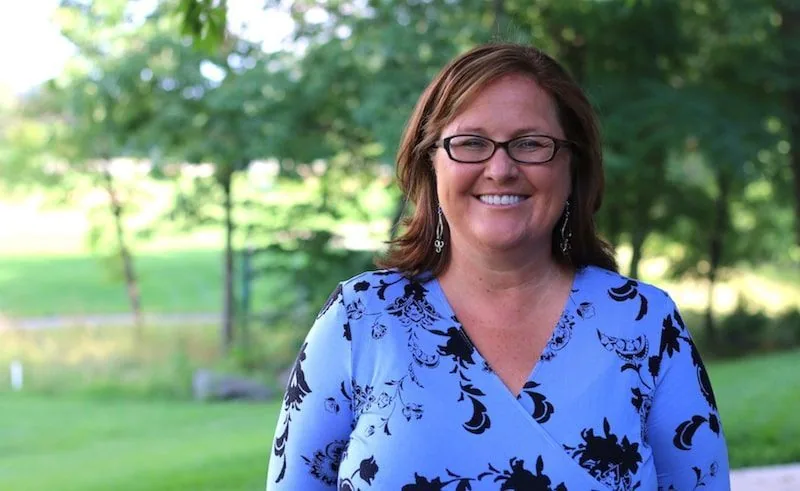
Dr. Hollman specializes in children, families, and couples. Her calm, patient approach helps families navigate trauma, emotional regulation challenges, and the dynamics that keep things stuck.
View Profile →
Margaret has over 15 years of experience working with children, teens, adults, and families. She often partners with her therapy dog, Shiloh, to add comfort and connection to sessions.
View Profile →
Chiara works with individuals and families navigating anxiety, grief, and life transitions in a warm, person-centered space. She meets clients where they are and helps them build lasting change.
View Profile →Same-week appointments available in Ashburn, VA, in person or via telehealth.